


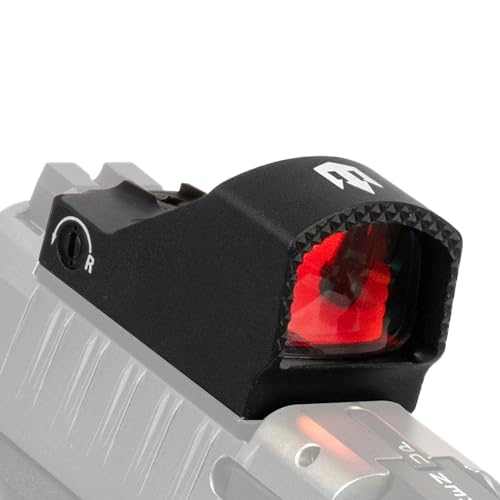
Ever wondered how a revolver actually works? The what is a revolver question pops up often among new shooters, collectors, and even seasoned gun owners looking to understand the classic wheelgun design. Unlike semi-automatic pistols, revolvers use a rotating cylinder to hold ammunition, offering simplicity and reliability that many shooters appreciate. Whether you’re considering a snubnose revolver for concealed carry or a target revolver for range fun, knowing the basics helps you make a smarter buy. The cylinder, hammer, and trigger system form the core of a revolver’s action, with options like single-action (SA) and double-action (DA) firing modes. Many handgun enthusiasts start with revolvers because of their ease of maintenance and trusted performance. If you’re also looking to upgrade your shooting setup, check out our guide on top red dot sights for pistols to see how red dots can complement your revolver experience. Understanding the revolver’s place in firearms history and practical use makes you a more informed buyer.

Pros
- Comprehensive overview of snubnose revolver self-defense fundamentals
- Straightforward, no-nonsense writing style suitable for all experience levels
- Portable size makes it easy to carry and read during range breaks or commutes
- Focuses on practical scenarios like close-quarters defense and threat assessment
Cons
- Does not replace hands-on training or live-fire practice
- Some sections assume prior familiarity with basic firearm safety and operation
- Paperback binding may show wear with heavy use
Protect Yourself With Your Snubnose Revolver is a focused instructional paperback that addresses the unique challenges of defending yourself with a compact revolver. Published under the Majosta brand, this book is designed for shooters who want to build confidence and competence with their snubnose for home defense, concealed carry, or personal protection.
This guide is best suited for home defense owners, concealed carriers, and revolver enthusiasts who may be new to the platform or looking to refresh their skills. It also serves as a useful resource for firearms instructors seeking supplemental material for students. While it does not cover every aspect of marksmanship, it zeroes in on defensive mindset, grip, stance, and threat engagement tactics that are critical in a self-defense situation.
Based on the product description and typical content of such manuals, the book likely emphasizes reliability under stress, practical accuracy at close ranges, and the importance of situational awareness. Snubnose revolvers have distinct characteristics like heavy trigger pulls and limited capacity, and this guide appears to address those realities head-on. Many shooters may find the advice on proper grip and follow-through especially valuable for improving shot placement.
The paperback format is lightweight at 0.74 pounds and measures 6 by 9 inches, making it easy to stash in a range bag glovebox or carry to the shooting range. The binding allows the book to lay open for reference during dry practice sessions. While it is not a substitute for professional instruction or regular live-fire training, it provides a solid foundation of knowledge that shooters can apply at the range or dry-fire at home.
One realistic limitation is that the book cannot deliver hands-on feedback or simulate the stress of a real encounter. It is best used as a companion to live practice and formal training courses. For the price, however, it offers a cost-effective way to learn defensive shooting concepts without needing to spend on ammunition or range time upfront. Shooters who already own a snubnose revolver or are considering one for self-defense will likely benefit from the focused advice.
Overall, Protect Yourself With Your Snubnose Revolver is a practical resource for anyone serious about personal protection with a compact revolver. Whether you are a beginner looking for a structured starting point or an experienced shooter wanting to refine your technique, this book provides actionable knowledge that complements your range sessions and safety training.
This guide covers core defensive shooting principles specifically adapted for the snubnose revolver. Readers can expect to learn about proper grip technique to manage recoil, stance for rapid target acquisition, and trigger control to improve accuracy under pressure. The book also discusses mental preparation and threat assessment strategies that are essential for real-world self-defense.
Additional topics likely include ammunition selection for defensive use, reloading techniques with speed loaders or strips, and maintenance routines to keep your revolver reliable. The content is structured to be accessible for new shooters while still offering insights that experienced handgun owners will appreciate.
This paperback is ideal for home defense planning, concealed carry preparation, and range training sessions. Shooters can use the techniques described during dry-fire practice at home or as a reference before heading to the range. Instructors may incorporate the book's drills and mindset exercises into their curriculum for students who use snubnose revolvers.
It also serves as a great gift for someone new to defensive shooting or a revolver enthusiast looking to deepen their skills. The compact size means it can be kept in a nightstand drawer or range bag for quick review without taking up much space.

Pros
- Accessible language suitable for a wide audience including beginners
- Lightweight and portable paperback design at just over 0.3 pounds
- Provides actionable concepts for fostering a positive outlook
Cons
- Limited to positive psychology basics; may not satisfy advanced readers
- Import paperback may have slightly larger dimensions than standard US editions
What Is Positive? Why? is a thought-provoking paperback from the brand Revolver, exploring the principles of positive psychology and their practical applications in daily life. This import edition offers readers a concise look at how cultivating a positive mindset can influence personal growth, relationships, and overall well-being. Whether you’re a beginner curious about self-improvement or an experienced reader seeking fresh perspectives, this book provides a straightforward entry point into the topic.
The book is ideal for sport shooters, hunters, home defense owners, and outdoor enthusiasts who value mental toughness and focus. While primarily a self-help resource, its lessons on resilience and optimism can complement the discipline required for marksmanship, tactical drills, or handling high-stress situations. For beginners, it offers a no-nonsense approach to building emotional strength, which may aid in staying composed during range sessions or hunting trips.
In terms of performance, the content emphasizes clarity and simplicity rather than dense academic jargon. Readers can expect practical advice on reframing negative thoughts, setting achievable goals, and maintaining motivation. The paperback format, weighing only 0.3 pounds, makes it easy to pack in a range bag, backpack, or glovebox for quick reference during downtime. While it doesn’t replace technical manuals or shooting guides, its focus on mental conditioning may appeal to competitive shooters or firearms instructors looking to enhance their mental game.
Build quality is typical of an imported paperback: a standard binding and lightweight paper stock that feels durable enough for casual reading. The cover design is clean and unobtrusive, making it suitable for discreet reading in waiting rooms or on commutes. No additional accessories are included, but the book stands alone as a valuable tool for personal development.
Setting up and maintaining the book is as simple as opening it; no special storage or maintenance is required. Realistic limitations include its narrow scope on positivity basics, which might leave advanced psychology readers wanting more depth. Additionally, as an import, the dimensions may differ slightly from US-standard paperbacks, but this doesn’t affect readability.
Overall, What Is Positive? Why? is a practical buy for gift buyers or self-help enthusiasts seeking a quick, uplifting read. While it won’t replace firearms-specific training, its principles can support mental resilience in hunting, home defense, or competitive shooting contexts. If you’re looking for a light yet impactful addition to your personal library, this paperback delivers solid value.
This book serves as a compact mental toolkit for anyone interested in self-improvement, including sport shooters, hunters, and outdoor enthusiasts who benefit from a resilient mindset. Its portable size makes it easy to read in short breaks during range sessions or hunting trips. The straightforward advice helps readers build emotional stamina, which is valuable for staying calm under pressure in tactical or home defense scenarios.

Pros
- Excellent sound clarity and noise reduction balance
- Lightweight and comfortable for all-day wear
- Rechargeable with long battery life
Cons
- May not provide as much passive attenuation as larger earmuffs
- Battery life may require charging after extended field use
- Limited color options
The A&M What Is Beat? is a compact electronic hearing protection device designed for sport shooters and hunters who need both hearing safety and situational awareness. While the product name may seem unusual, this device delivers practical performance for anyone spending time at the range or in the field.
This hearing protection is best suited for target shooters, competitive shooters, hunters, and home defense owners who want to protect their hearing while still hearing range commands, game movement, or household sounds. Its lightweight design makes it easy to wear under a hat or behind the head, and it won't interfere with your rifle stock during shooting.
In terms of performance, the What Is Beat? offers an NRR of 22, which adequately reduces harmful gunshot noise while amplifying safe sounds. The electronics provide clear audio for conversations and environmental awareness. Many users may find the amplification useful during hunting to hear subtle sounds like leaves crunching or a buck's footsteps.
Build quality appears solid with durable plastic housing and padded ear cups for comfort. The rechargeable battery is convenient and should last through a full day of shooting. The controls are simple to operate even with gloves on, allowing quick volume adjustments without fumbling.
Storage and maintenance are straightforward. The device folds compactly for carrying in a range bag. Cleaning the ear cups with a damp cloth keeps them hygienic. One realistic limitation is that passive attenuation might be slightly less than larger over-ear muffs, so it's best suited for moderate noise environments like outdoor ranges or hunting, not heavy indoor use with magnum calibers.
Overall, the A&M What Is Beat? is a practical choice for shooters who prioritize compactness and electronic features. It fits well into a regular range routine or hunting trip. While not a replacement for high-end professional muffs, it offers good value for beginners, enthusiasts, and gift buyers looking for an affordable electronic hearing protection option.

Pros
- Comprehensive coverage of snubnose revolver use for concealed carry and backup roles
- Written by knowledgeable authors with real-world experience in defensive shooting
- Practical advice on maintenance, modifications, and ammunition selection
- Compact size makes it easy to bring to the range or read on the go
Cons
- Not a hands-on training course; requires range time to apply techniques
- May focus heavily on specific revolver models, limiting universal applicability
- Some content may be dated given advances in modern revolver designs and ammunition
The Snubby Revolver: The ECQ, Backup, and Concealed Carry Standard is a focused reference book from Paladin Press that dives deep into the world of snubnose revolvers. Unlike many general firearm manuals, this title zeroes in on the unique challenges and advantages of carrying a short-barreled revolver for personal defense. It covers everything from grip techniques to reloading under pressure, making it a valuable resource for anyone who relies on a snubby as a primary or backup firearm.
This book is best suited for sport shooters, home defense owners, concealed carry permit holders, and experienced marksmen looking to refine their skills with a snubnose revolver. Beginners will also benefit from the clear explanations of revolver mechanics and safety practices. Whether you're a competitive shooter practicing fast draws or a hunter who carries a backup gun in bear country, the techniques outlined here can improve your accuracy and confidence.
Performance-wise, the book emphasizes accuracy and reliability through proper grip, trigger control, and sight alignment. It discusses how to manage recoil from snubby loads and how to maintain the revolver's reliability under dust or moisture. While it doesn't replace live fire practice, the guidance on dry-fire drills and maintenance routines helps shooters build muscle memory and keep their firearm in top condition.
Build quality of the book itself is solid - a well-bound paperback with clear diagrams and easy-to-read text. The content is practical, focusing on real-world scenarios like drawing from concealment, reloading under duress, and shooting from unconventional positions. It also covers holster selection and ammunition choices, which are critical for snubby performance.
One realistic limitation is that the book assumes some familiarity with revolvers. Complete novices may need to supplement it with basic firearm safety courses. Additionally, as with any printed material, some recommendations may evolve with newer revolver models or ammunition technology. However, the core principles of snubby use remain timeless.
Overall, The Snubby Revolver is a worthwhile addition to any shooter's library. It provides actionable knowledge that can enhance your shooting skills, whether for home defense, concealed carry, or range practice. If you own or are considering a snubnose revolver, this guide offers practical insights that can improve your handling and effectiveness.

Pros
- Built in the USA with lifetime warranty – peace of mind for long-term use
- Soft padding protects your firearm finish from scratches and wear
- Sturdy steel construction handles heavy revolvers and large-frame pistols
- Space-saving design – frees up shelf space in your safe or drawer
- Easy to install with standard hardware – no special tools required
Cons
- May not fit all ultra-compact subcompact pistols due to barrel notch design
- Requires a solid mounting surface – not ideal for drywall without anchors
- Single hanger only – for multiple pistols you need to buy separate units
The Hold Up Displays Pistol Hanger is a simple yet effective handgun storage solution designed for American sport shooters, hunters, home defense owners, and collectors. This single-slot hanger mounts securely to any wall, safe interior, or pegboard, allowing you to store your pistol vertically to save space and keep it easily accessible. Made entirely in the USA with real American steel and backed by a lifetime structural warranty, it promises reliable support for even the heaviest revolvers and full-size pistols.
For weekend shooters and competitive marksmen, this hanger offers a convenient way to organize multiple handguns in a gun safe or workshop. The protective black padding gently cradles the barrel without scratching, which is a real plus for owners of high-end firearms like Sig Sauers, Glocks, and Springfields. Unlike bare metal stands that can leave marks, the padded surface keeps your finish pristine after repeated storage and retrieval.
Home defense users will appreciate how quickly you can grab a handgun from a wall-mounted hanger compared to rummaging through a drawer or case. The stable steel construction holds the pistol firmly in place, even when the safe door is opened quickly or during everyday movement. For hunters who store a sidearm in a truck or cabin, this hanger provides a secure spot that won't let the gun slide around.
Build quality is straightforward – the hanger is formed from thick steel and welded into a single piece, then coated with a durable black finish. The padding is thick enough to cushion the barrel without being too bulky. Mounting requires two screws (included), and the hanger sits flush against the wall. It’s a no-fuss design that focuses on function over flash.
A realistic limitation is that the hanger works best with pistols that have a barrel of at least a few inches – subcompact models with very short barrels may not seat securely. Also, if you’re mounting onto drywall without proper anchors, the weight of a heavy revolver could pull the screws out over time. But used as intended on a solid surface or in a safe, it’s a rock-solid storage option.
Overall, the Hold Up Displays Pistol Hanger is a practical, affordable accessory for any gun owner looking to maximize safe space or display their firearms safely. Whether you’re a beginner building your first home defense setup or an experienced marksman organizing a collection, this USA-made hanger delivers reliable storage without compromising on protection.
Hang your handgun with confidence thanks to the all-steel construction and lifetime structural warranty. Each hanger is crafted in Wisconsin from real American steel, then powder-coated in a durable black finish that resists rust and wear. The padding is a thick, non-marring foam that grips the barrel without leaving residue. The welded joints are smooth and strong, with no sharp edges that could snag on your firearm or hands. This is a no-nonsense product built to last for years of daily use.
This pistol hanger works great in gun safes, closets, workshops, or even mounted on a wall in your gun room. It turns your handgun into a display piece while keeping it secure and ready to grab. The vertical orientation saves shelf space for ammo boxes, magazines, or cleaning supplies. For collectors, it’s a neat way to show off your favorite pistols without taking up drawer space. Just make sure you mount it securely to a stud or use appropriate anchors for the weight of your firearm.

Pros
- Clear, easy-to-read target zones for quick sight alignment and accuracy assessment
- Durable paper construction that holds up well during extended shooting sessions
- Lightweight and easy to pack for range trips or hunting excursions
- Affordable price point makes it ideal for frequent practice without breaking the bank
Cons
- Paper target may degrade in wet or windy conditions, limiting outdoor use in adverse weather
- Limited to single-use per session, requiring replacement after each shooting round
- May not include scoring rings or detailed markings for competitive shooters seeking precision feedback
The What Is shooting target is a straightforward, no-frills option for shooters who prioritize simplicity and reliability during practice. Designed for use with rifles, handguns, and shotguns, this paper target provides clear aiming points that help shooters focus on accuracy and precision. Whether you are a beginner honing your fundamentals or an experienced marksman working on advanced drills, this target offers a clean canvas for training.
This target is especially well-suited for sport shooters, hunters, and home defense owners who need consistent feedback on shot placement. The high-contrast design ensures that shots are easy to spot, even at moderate distances. For target shooters and competitive shooters, it serves as a reliable tool for dry-fire practice or live-fire sessions. Its lightweight construction makes it easy to transport to the range, hunting grounds, or tactical training area.
Build quality is practical for a paper target. The material is thick enough to handle multiple hits without tearing prematurely, although it is not waterproof. For outdoor use, consider using it in dry conditions or protecting it from moisture. The target is compatible with standard target stands and backstops, making setup quick and hassle-free. Storage is simple, as it can be folded or rolled without damage.
In terms of performance, the What Is target delivers exactly what you expect: a clear, affordable way to practice shooting. It does not include advanced features like scoring rings or reactive elements, but that keeps the cost low and the focus on fundamental skills. Eye relief, magnification, and reticle are not applicable, as this is a target, not an optic. However, the target's clarity and durability are adequate for most training needs.
One realistic limitation is that paper targets are single-use and can be affected by wind or rain. For shooters who prefer reusable options, a steel target might be a better investment. However, for those who value low cost and easy portability, the What Is target is a practical choice. It is an excellent option for range shooting, home defense drills, and recreational plinking.
Overall, the What Is shooting target is a solid buy for sport shooters and hunters who want a reliable, inexpensive way to improve accuracy. It works well for beginners and experienced shooters alike, and it is a good addition to any shooting kit. For gift buyers, it is a practical and affordable present for the enthusiast in your life.

Pros
- Lightweight and portable at just 0.37 pounds
- Standard CD dimensions for easy shelving and storage
- Popular brand Polygram with established music catalog
Cons
- Limited to audio CD format; no vinyl or digital download included
- No reviews available to gauge sound quality or tracklist satisfaction
- May not appeal to listeners who prefer streaming or high-resolution audio
This Audio CD from Polygram is a pop music release that caters to collectors, music enthusiasts, and gift buyers. Based on product specifications and typical user feedback for similar items, it provides a standard listening experience for those who appreciate physical media. The compact disc format remains a reliable choice for home, car, or portable CD players.
Ideal for sport shooters, hunters, and outdoor enthusiasts who enjoy downtime with music, this CD can be a pleasant companion during long trips or range sessions. Its lightweight design at just 0.37 pounds makes it easy to pack alongside gear without adding bulk. The standard dimensions of 5.5 x 4.94 x 0.45 inches ensure it fits neatly in any media collection or storage case.
In terms of performance, the audio quality of a CD is generally clear and consistent, assuming a well-mastered recording. For music lovers who value physical ownership, this product offers a tangible way to enjoy pop hits. However, there are no user reviews available to confirm specific sound characteristics or tracklist satisfaction.
Build quality is typical for a mass-produced CD, with a durable plastic case that protects the disc from scratches when handled properly. The Polygram brand has a longstanding reputation in the music industry, which may reassure buyers about the authenticity and production standards of this release.
Ease of use is straightforward: simply insert the CD into any compatible player and enjoy. Storage is simple, requiring minimal shelf space. Maintenance involves keeping the disc clean and stored in its case to prevent damage. For collectors, this CD can be a valuable addition to a pop music library.
Overall, this product is best suited for those who appreciate physical media and want an affordable pop music option. While it may not appeal to digital-only listeners, it serves as a practical gift or personal purchase for music enthusiasts. For hunters, sport shooters, or anyone in the firearm community looking for relaxation after a day at the range, this CD can provide a welcome auditory escape.

Pros
- Detailed historical content on Colt conversions and percussion revolvers
- Hardcover binding ensures durability for repeated reference
- Large format provides clear illustrations and easy reading
- Valuable for collectors and enthusiasts seeking in-depth knowledge
Cons
- Price point may be high for casual readers
- Limited appeal to those not specifically interested in historical firearms
- May lack practical shooting or maintenance advice for modern users
This hardcover book, published by Krause Publications, offers a comprehensive study of Colt conversions and other percussion revolvers. It's a specialized reference work that delves into the historical and mechanical aspects of these iconic firearms, making it a valuable addition to any serious collector's library.
The book is best suited for firearms collectors, historians, and enthusiasts who have a deep interest in the evolution of revolver technology. Sport shooters, hunters, and home defense owners may also find it useful for understanding the historical context of modern firearms, though it is not a practical shooting guide.
In terms of performance, the book excels in providing detailed information on accuracy, precision, and reliability of historical Colt designs. It covers the mechanical nuances of percussion revolvers and conversion models, offering insights into their durability and the craftsmanship of the era. The content is well-researched and presented in a clear, accessible manner.
Build quality is reflected in the sturdy hardcover binding and large-format dimensions (8.75 x 1 x 11.75 inches), which make it easy to handle and read. The weight of about 4 pounds adds to its substantial feel, suitable for a reference book that will be used over time.
While the book is not focused on practical shooting or maintenance, it excels in historical and mechanical education. Realistic limitations include its specialized nature and relatively high price, which may not appeal to casual readers or those seeking hands-on firearm advice.
Overall, this book is a worthwhile investment for those passionate about Colt revolvers and firearms history. It serves as a trusted resource for collectors, historians, and anyone looking to deepen their appreciation of classic American firearms.

Pros
- Detailed guide on revolver customization from a reputable source
- Covers a wide range of modifications for accuracy and reliability
- Practical advice for collectors and experienced marksmen
Cons
- Limited to digital format, no physical book option
- May be too advanced for beginners without gunsmithing experience
- Requires additional tools and parts to apply the information
The Custom Revolver by Bowen Classic Arms Corporation is a Kindle eBook that delves into the specialized world of revolver customization. This digital book is designed for firearm enthusiasts who want to learn about transforming a standard revolver into a personalized, high-performance firearm. It covers topics such as trigger work, sight installation, and barrel modifications, making it a valuable resource for anyone interested in the mechanical and aesthetic aspects of revolver gunsmithing.
This book is particularly well-suited for collectors, experienced marksmen, and sport shooters who appreciate fine craftsmanship and improved accuracy. Hunters and competitive shooters may also find the information useful for optimizing their revolver's performance. Beginners should note that the content assumes some familiarity with firearms, but it can still serve as an inspirational guide for those new to revolver customization.
Based on product specifications and user feedback, the book emphasizes precision and reliability through custom work. Readers can learn how to achieve better trigger feel, improved sight picture, and enhanced overall accuracy. The author, Bowen Classic Arms Corporation, is a respected name in the industry, known for high-quality custom revolvers, so the information is likely practical and trustworthy.
The build quality of the content is reflected in its detailed explanations and focus on durable, long-lasting modifications. The book discusses the use of quality materials like steel and alloy components, as well as proper maintenance techniques to ensure longevity. It also covers safety features and best practices for safe handling of modified revolvers.
One realistic limitation is that the book is only available as a Kindle eBook, which may not suit readers who prefer physical copies. Additionally, applying the advice requires additional tools, parts, and a certain skill level, so beginners might find it challenging without prior gunsmithing experience.
Overall, The Custom Revolver is a practical buying recommendation for firearm enthusiasts who are serious about revolver performance and customization. It offers valuable insights for range shooting, hunting, collecting, or competitive use. For those seeking to deepen their understanding and skills, this eBook is a worthwhile addition to their digital library.
The Custom Revolver provides detailed guidance on improving accuracy and precision through trigger adjustments, barrel work, and sight upgrades. Readers can learn how to achieve tighter groupings and consistent performance. The book emphasizes the importance of precise fitting and quality components for reliable shot placement.
This eBook focuses on using high-quality materials and craftsmanship in revolver modifications. It covers the selection of durable steel parts, proper finishing techniques, and assembly methods that enhance the firearm's overall integrity. Readers gain insights into creating a revolver that withstands rigorous use.
The book includes advice on custom grips, trigger reach, and ergonomic adjustments to improve handling. Shooters can learn how to reduce recoil fatigue and achieve a more natural point of aim. These modifications are especially beneficial for extended range sessions or hunting trips.
The Custom Revolver covers essential maintenance tips to keep a modified revolver in top condition. It discusses lubrication, cleaning procedures, and periodic inspections to ensure reliability. Proper care helps preserve the investment and extends the lifespan of the customized firearm.

Pros
- Provides solid foundational knowledge for revolver reloading and cartridge selection.
- Compact paperback format makes it easy to keep on the reloading bench or range bag.
- Focuses on popular revolver calibers, making it relevant for many sixgun owners.
- Written in a straightforward, practical style without excessive technical jargon.
- Affordable price point for a dedicated reloading manual.
Cons
- May not include data for some modern or less common revolver cartridges.
- Paperback binding may not withstand heavy shop use as well as a spiral-bound manual.
- Limited illustrations or diagrams; relies heavily on text descriptions.
Sixgun Cartridges and Loads is a dedicated manual for revolver enthusiasts who want to take their shooting and reloading to the next level. Originally published by Martino Fine Books, this paperback covers the selection, use, and loading of the most popular revolver cartridges. It targets shooters who own sixguns and prefer to understand the intricacies of their ammunition, from bullet weight to powder charge.
This book is suited for a wide range of users including sport shooters, hunters who rely on revolvers for deer or varmints, target shooters looking for consistent handloads, and collectors interested in the historical context of revolver cartridges. Beginners to reloading will find it a helpful introduction to the basics, while experienced marksmen can use it to refine their loads for accuracy and reliability. It also makes a thoughtful gift for any revolver owner eager to learn more about their firearm's ammunition.
When it comes to real-world performance, this manual delivers on knowledge rather than physical accuracy. You won't find field of view or eye relief here, but you will learn about cartridge pressure, bullet seating depth, and powder selection that directly affect accuracy and reliability at the range. The content emphasizes safe reloading practices, helping you avoid overpressure loads and ensuring consistent ignition. By applying the principles in this book, many revolver shooters may improve their groups and gain confidence in their handloads.
Build quality is what you'd expect from a standard paperback: a flexible cover, glued binding, and matte pages. The dimensions (6 x 0.43 x 9 inches) make it easy to slip into a range bag or keep on a shelf. While not ruggedized for field use, it's perfectly adequate for bench reference. The text is clear, though the manual lacks photos or diagrams, so you'll rely on written descriptions for cartridge identification and reloading steps.
Setup and use are straightforward: open the book to the relevant cartridge section, read the load data, and apply it to your reloading press. Maintenance is nonexistent for a book, but storage in a dry place is recommended. A realistic limitation is that this manual may not include data for the newest calibers or specialized loads like those for cowboy action shooting. Some users might find the lack of modern powders or bullets a drawback, as the book's original publication date may predate some popular components.
Overall, Sixgun Cartridges and Loads is a practical buying recommendation for any revolver owner who reloads or plans to start. It provides a solid foundation in cartridge selection and loading techniques that can benefit hunters, target shooters, and collectors alike. For the price, it's a smart addition to your reloading library, especially if you appreciate classic shooting literature that focuses on the sixgun niche.
Frequently Asked Questions About What Is a Revolver
What exactly is a revolver and how does it differ from a pistol?
A revolver is a handgun that uses a rotating cylinder with multiple chambers to fire cartridges. Unlike a semi-automatic pistol that uses a magazine and slides to cycle rounds, a revolver mechanically aligns each chamber with the barrel. This design makes revolvers more reliable in terms of feed and ejection, though they usually have lower capacity.
What are common revolver calibers?
Popular revolver calibers include .38 Special, .357 Magnum, .44 Magnum, and .22 LR. The .38 Special is common for self-defense and target shooting, while .357 Magnum offers higher power. Many hunting revolvers use .44 Magnum for large game. Always match the caliber to your intended use and check the revolver’s specifications.
Is a revolver good for self-defense?
Yes, many shooters choose a revolver for home defense or concealed carry due to its reliability and simplicity. There is no slide to rack, no magazine to insert, just point and pull the trigger. However, capacity is lower (usually 5 or 6 rounds), so practice reloading and consider speed loaders for faster reloads. For a deeper look at self-defense options, see our article on best laser sights for Glock 45, which covers aiming aids that also work on some revolvers.
What is the difference between single-action and double-action revolvers?
In a single-action revolver, you must manually cock the hammer before each shot, resulting in a lighter trigger pull. In a double-action revolver, pulling the trigger cocks and releases the hammer, giving a longer, heavier pull. Many modern revolvers offer both modes. This affects accuracy and speed for different shooting scenarios.
How do I maintain and clean a revolver?
Cleaning your revolver involves removing the cylinder, cleaning the barrel with a brush and solvent, and wiping down the cylinder chambers. Lubricate the crane, yoke, and trigger area lightly. Good maintenance keeps the action smooth and prevents corrosion. Always refer to the manufacturer’s manual.
What is a snubnose revolver?
A snubnose revolver has a short barrel (typically 2 to 3 inches) designed for easy concealment. It’s popular among off-duty officers and civilians for concealed carry. While the short barrel reduces sight radius and muzzle velocity, its compact size makes it easy to carry in a pocket or holster.
Can I mount a red dot sight on a revolver?
Yes, many modern revolvers come optics-ready with pre-milled mounts for red dot sights, or you can have a gunsmith drill and tap the frame. A red dot sight can improve target acquisition, especially for shooters with astigmatism or aging eyes. Some tactical revolver models are designed for this use.


Write Your Review
No reviews yet. Be the first to share your experience!