


Discipline, adaptability, and unwavering focus define how high-stress professionals approach complex challenges. Cultivating what is a military mindset involves adopting structured habits, rigorous emotional regulation, and an uncompromising commitment to personal accountability. Whether applied to demanding athletic training, structured shooting sports, or daily professional routines, this mental framework prioritizes preparation and clear decision making over impulsive reactions. Safe practices and procedural precision are paramount in any technical pursuit, from range drills with specialized blank gun training options to high-stakes workplace leadership.
Developing this disciplined outlook requires intentional daily reinforcement and an environment structured to support core goals. Individuals often turn to visual prompts, environmental cues, and structured workspaces to keep mental clarity and accountability front and center during demanding routines. A thorough understanding of what drives military-style mental toughness allows anyone to build resilience, maintain composure under pressure, and achieve long-term objectives without unnecessary distractions. Examining the core pillars of this philosophy reveals how mindset shapes performance across every demanding pursuit.






Understanding the Structure and Application of a Military Mindset
A true military mindset represents a structured psychological framework built on discipline, adaptability, decisive action, and personal responsibility. Service members operate in dynamic, high-consequence environments where hesitation or disorder can lead to critical failure. Civilian professionals, competitive athletes, and responsible firearms enthusiasts often study these attributes to sharpen their daily focus and emotional control. Rather than fostering aggression, this mindset cultivates internal stability, systematic problem solving, and deliberate execution under pressure.
The Core Pillars: Mission Focus and Extreme Ownership
Mission clarity serves as the primary anchor for military mental conditioning. Every operational task ties directly to an overarching objective, eliminating ambiguity and unnecessary distractions during critical moments. When individuals define their primary purpose with precision, smaller setbacks fail to derail progress. Prioritizing the mission requires filtering out trivial obstacles and channeling cognitive resources toward tangible milestones.
Accountability reinforces this dedication through the principle of extreme ownership. In tactical units, blaming external circumstances or teammates for operational missteps is strictly discouraged. Instead, leaders and personnel analyze what actions they could have taken differently to alter the outcome. Adopting this philosophy creates a proactive attitude where mistakes transform into practical feedback rather than sources of frustration.
Emotional composure completes the foundation of personal ownership. High-pressure scenarios trigger physiological stress responses that can degrade fine motor skills and rational thinking. Military training counters this reaction through stress inoculation and controlled breathing techniques. Developing emotional regulation ensures that tactical decisions stem from logic and preparation rather than unmanaged panic.
Adaptability, Composure, and Contingency Planning
Unpredictable friction is an inherent reality of both tactical operations and daily life. Plans rarely survive initial contact with unexpected hurdles, making cognitive flexibility an indispensable trait. Service members learn to assess fluid situations continuously, identify critical variables, and pivot strategy without losing momentum. This approach shifts mental energy away from complaining about disruptions and toward immediate adaptation.
Contingency planning provides the operational framework that makes rapid adaptation possible. Professionals routinely develop primary, alternate, contingency, and emergency plans before initiating complex tasks. Anticipating potential friction points prevents panic when secondary obstacles arise during execution. Mental readiness is never an accident; it is the predictable outcome of systematic preparation and realistic scenario rehearsals.
Resilience functions as the psychological buffer that sustains effort when circumstances deteriorate. Physical fatigue, environmental discomfort, and prolonged stress erode mental resolve over time. Individuals trained in disciplined resilience view discomfort as temporary data rather than an excuse to halt progress. Enduring challenging phases with quiet determination allows personnel to complete demanding tasks successfully.
Daily Routines, Checklists, and Deliberate Practice
Discipline is built through repetitive, unglamorous daily habits rather than occasional bursts of motivation. Standard operating procedures and structured morning checklists establish an organized baseline for each day. Completing mundane tasks with consistent precision instills subconscious attention to detail. This systematic approach ensures that high standards remain intact even when enthusiasm wanes.
Deliberate practice separates casual hobbyists from disciplined practitioners across all technical fields. Whether refining marksmanship fundamentals or learning complex administrative skills, practice must be intentional and focused on specific weaknesses. Shooters running drills on a realistic co2 airgun training setup understand that muscle memory requires exact repetition under controlled parameters. Consistent review and structured drills prevent complacency from eroding hard-earned competency.
Standardized verification checks maintain safety and efficiency across repetitive tasks. High-risk operations rely heavily on written protocols to eliminate human oversight caused by fatigue or distraction. Adopting rigid personal checklists reduces cognitive load and guarantees that vital steps are never missed. By automating routine processes through structured habits, the mind remains free to evaluate complex situational shifts.
Environmental Design and Physical Cues for Focus
Environmental psychology demonstrates that physical surroundings significantly influence cognitive performance and discipline. Cluttered, chaotic workspaces often encourage scattered thinking and delayed decision making. In contrast, an organized area featuring clean lines and purposeful design cues helps prime the brain for deep concentration. Setting up a dedicated workspace reinforces the transition from leisure into focused execution.
Visual prompts offer a dependable method to keep core values visible throughout demanding workdays. Incorporating deliberate wall decor like the Mindset is Everything Wall Art creates an immediate focal point in a home office or study. Similarly, hanging a bold item such as the Mindset is Everything Flag 3×5 Ft Motivational in a garage gym or workshop reinforces perseverance during rigorous physical conditioning. These visual anchors serve as subtle behavioral nudges when energy levels dip.
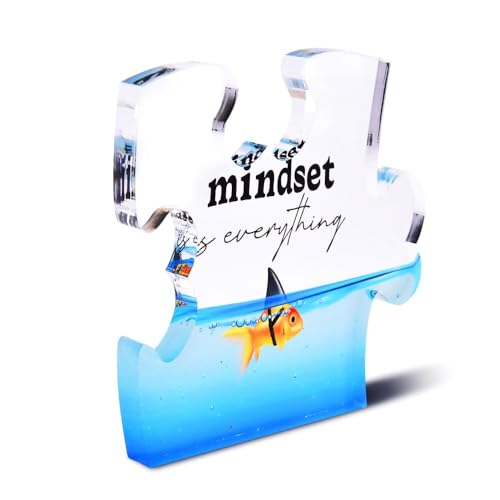
Compact workspace accessories provide subtle, constant reminders directly at personal workstations. Placing the Sudaporn Mindset is Everything Acrylic Plaque on an executive desk offers an unobtrusive prompt toward personal accountability. For active computer stations, utilizing the Mindset is Everything Inspirational Mouse Pad pairs practical desktop protection with continuous motivational exposure. Meanwhile, framing the Mindset Is Everything Art Print – 8×10 allows individuals to integrate clean inspirational typography into smaller study corners or living areas.
Consistent sensory reinforcement helps bridge the gap between abstract aspirations and concrete actions. When an individual repeatedly encounters messaging focused on resilience, the subconscious mind adopts those principles more readily. Visual cues also remind users to maintain composure and evaluate challenges objectively. Transforming an everyday room into a purpose-driven environment fosters sustained concentration over long working periods.
Cultivating Growth and Mental Discipline in Educational Settings
Foundational mental conditioning begins long before an individual enters tactical or professional environments. Educational research highlights the vital distinction between fixed mindsets and growth mindsets in early learning. Students who believe abilities are strictly innate often retreat when faced with steep learning curves. Conversely, those taught that resilience and deliberate effort yield mastery develop greater academic endurance and confidence.
Classroom visual aids play an essential role in demystifying cognitive growth for young learners. The Teacher Created Resources What is Your Mindset? display provides instructors with tangible tools to contrast unproductive frustration with productive effort. Displaying clear behavioral alternatives encourages children to embrace difficult problems rather than fear failure. Structured classroom messaging normalizes mistakes as necessary steps within the broader learning trajectory.
Instilling accountability early helps students transition smoothly into demanding adult responsibilities. When young individuals recognize that outcomes correlate with preparation and discipline, their self-efficacy expands significantly. This early conditioning mirrors the core tenets of tactical instruction by rewarding effort, procedural adherence, and persistent problem solving. Building mental toughness during developmental years lays the groundwork for lifelong operational resilience.
Upgrading Dedicated Training Areas with Large Displays
Dedicated focus spaces benefit significantly from deliberate aesthetic curation that inspires seriousness of purpose. High-impact visual displays communicate commitment and establish a professional atmosphere in home gyms or study areas. The Motivational Wall Art Posters for Home package offers framed presentation that blends seamlessly into formal office decor. Establishing an environment that commands respect encourages users to approach their work with heightened professionalism.
Expansive multi-panel art pieces can completely redefine the emotional tone of a large training room or workspace. Incorporating the Yetaryy Inspirational Canvas Wall Art Large 3 arrangement transforms blank walls into a dramatic statement on perseverance and drive. Large-format wooden-framed artwork commands visual attention, ensuring that key motivational concepts remain prominent during long work sessions. Purposeful room design minimizes external mental clutter and encourages single-minded concentration.
Clear visual perspective parallels the focused clarity required when handling precision sporting equipment. Just as a shooter relies on a detailed guide on choosing an optic to bring distant targets into crisp focus, deliberate wall framing eliminates visual distraction in a workspace. Clear lines of sight in both shooting disciplines and workspace design reinforce mental order. When physical spaces project organization, the mind aligns naturally with that orderly environment.
Applying Tactical Discipline to Technical Skills and Safe Ownership
The military mindset is especially relevant when applied to technical hobbies, shooting sports, and responsible equipment handling. Firearm safety demands absolute personal vigilance, situational awareness, and strict adherence to universal safety rules. Casual carelessness has no place in environments involving potential mechanical hazards or live training equipment. Approaching every range session with disciplined seriousness ensures that safety protocols remain unconditional.
Secure storage practices reflect an owner’s fundamental commitment to safety and community responsibility. A disciplined owner never cuts corners regarding authorized access, locking mechanisms, or proper case transport. Implementing reliable safe storage prevents unauthorized individuals or minors from accessing equipment without qualified supervision. Treating safety as an active, daily responsibility rather than an occasional checklist item embodies the true spirit of tactical ownership.
Continuous education through qualified instruction reinforces this professional approach over time. Even experienced practitioners benefit from periodic skill assessments conducted by certified training professionals. Seeking competent instruction exposes hidden blind spots and prevents the development of hazardous handling habits. Humble dedication to continuous improvement ensures long-term safety, procedural competence, and legal compliance.
Dissecting Common Misconceptions About the Military Outlook
Pop culture often mischaracterizes the military mindset as hyper-aggressive, ruthless, or emotionally unfeeling. In real operational settings, uncontrolled hostility and emotional outbursts are viewed as dangerous liabilities that impair judgment. True tactical maturity prioritizes calm analysis, emotional detachment, and disciplined restraint over rash action. The most capable operators display quiet confidence, respectful collaboration, and measured speech.
Another widespread myth suggests that military conditioning eliminates individual creativity in favor of robotic compliance. While obedience to established protocol is essential in crisis moments, decentralized operations require initiative and innovative thinking. Leaders train personnel to exercise critical thinking within the commander’s intent when circumstances change abruptly. Rigid adherence to broken plans causes failure, whereas creative problem solving drives success.
Finally, toughness is frequently confused with an unwillingness to admit mistakes or seek help. Seasoned veterans understand that acknowledging technical limitations is crucial for mission safety and team efficiency. Denying errors leads to catastrophic oversights, while transparent debriefings foster rapid organizational growth. True mental strength involves confronting reality honestly, accepting constructive criticism, and implementing corrective measures immediately.
Actionable Strategies to Build Mental Toughness Daily
Building mental toughness requires consistent, progressive overload in daily cognitive and physical habits. Introducing small, manageable challenges each day strengthens willpower and emotional tolerance over time. Simple actions like adhering to a strict physical workout schedule or completing difficult tasks first cultivate self-discipline. Repeated exposure to mild discomfort trains the brain to remain calm during stressful transitions.
Conducting daily after-action reviews provides valuable objective feedback on personal performance. Taking five minutes each evening to evaluate successes, failures, and procedural improvements reinforces accountability. Asking honest questions about time management, emotional reactions, and task completion prevents repeat mistakes. Over months, these incremental evaluations compound into substantial improvements in personal efficacy and resilience.
Cultivating dependable support systems and accountability partners accelerates this developmental process. Sharing goals with disciplined peers establishes social accountability and discourages slacking during tough periods. Constructive peer feedback helps identify behavioral blind spots that self-reflection alone might miss. Engaging with individuals who share high standards creates a supportive environment conducive to sustained personal mastery.
Mastering a military mindset is a lifelong journey of self-regulation, structured preparation, and unwavering accountability. Integrating these principles into daily routines elevates performance across technical disciplines, physical training, and professional leadership. By anchoring your actions in clear objectives, maintaining organized surroundings, and embracing continuous learning, you can navigate life’s complexities with calm, unwavering confidence.


Write Your Review
No reviews yet. Be the first to share your experience!