


Reliable Backup Aiming on Modern Rail Systems
Mounting a primary optic often creates an unexpected clearance puzzle on a standard Picatinny rail. When glass fails or batteries drain unexpectedly, a folding iron sight must deploy instantly without snagging on gear or blocking your sight picture. Shooters researching midwest industries iron sights frequently compare low-profile folding options to ensure their secondary sights tuck neatly underneath primary mounts. Pairing your setup alongside quality mid-range rifle scopes requires careful attention to rail height, folded clearance, and construction materials.
Material selection plays a massive role in how well folding units hold zero through transport and recoil. Steel and aluminum designs resist impact better than basic polymer assemblies, while slim profiles keep the rail clean for flashlights, lasers, and magnifiers. If you want to know how to choose a scope and backup sighting gear, matching aperture adjustments and locking mechanisms to your shooting discipline remains essential. The models listed below highlight popular folding iron sights designed for standard M1913 Picatinny rails.



Frequently Asked Questions
Can Midwest Industries Iron Sights fold flat under a magnified optic?
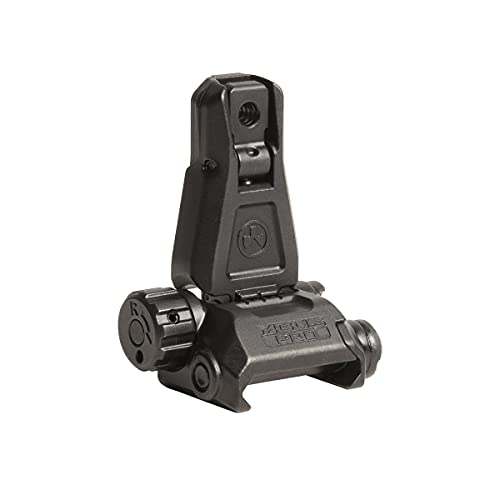
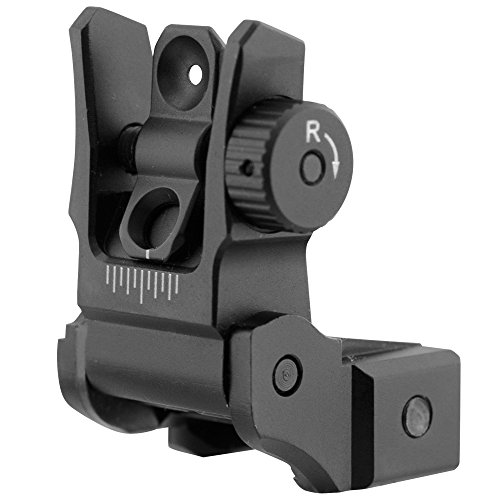
Yes, low-profile folding backup iron sights fold down to a fraction of an inch to clear scope ocular housings. Models like the Magpul MBUS Pro and UTG Super Slim are built specifically with minimal folded heights so they sit beneath quick-detach scope mounts without interference. Always check the height clearance of your scope rings to confirm adequate space.
What is the difference between steel and polymer backup sights?
Steel backup sights provide higher tensile strength, thinner rail profiles, and increased impact resistance compared to polymer alternatives. While polymer sights offer lightweight utility, steel and all-metal assemblies maintain tighter dimensional tolerances around windage and elevation adjustments. Shooters who mount optics on duty or hard-use rifles often prefer all-metal construction for added rigidity.
How do you zero backup iron sights on an M1913 Picatinny rail in 2026?
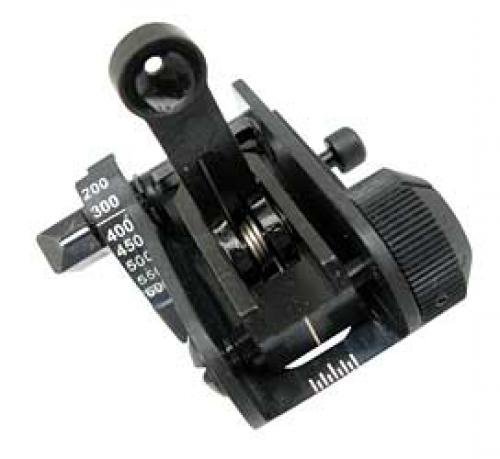
You zero backup iron sights by adjusting the front post for elevation and the rear aperture for windage at your preferred target distance. Many rear sights, such as the MaTech BUIS, feature dedicated range or windage dials, while standard front posts utilize a four-prong adjustment tool or integrated wheel. Verifying zero at distances like 50 or 100 yards ensures predictable ballistics if you ever need to transition away from your primary optic.
Do flip-up iron sights co-witness with red dot sights?
Yes, standard-height flip-up sights are designed to align with absolute or lower-third co-witness red dot mounts. An absolute co-witness places your iron sight alignment in the center of the optic window, whereas a lower-third mount leaves the bottom portion open for a less cluttered view. If your primary platform is equipped with long-range rifle scopes or non-illuminated glass, folding the sights down flat is usually preferred.
Why do some front sights feature a hooded design?
A hooded front sight encloses the post in a circular steel or aluminum ring to protect the sighting pin from lateral impacts and eliminate glare. The circular hood also assists the shooter in centering the front post rapidly inside the rear aperture, creating a concentric sight picture. This configuration helps shooters achieve consistent head placement and rapid alignment under bright outdoor lighting.
Can you mount a rear backup sight backwards on a rifle rail?
Yes, shooters occasionally mount rear folding sights in reverse to free up Picatinny slots for magnifiers or bulky scope mounts. While windage adjustments function in reverse when installed backward, the aperture remains usable if folded properly. Standard forward installation is recommended whenever rail space permits to ensure intuitive windage tracking and unobstructed deployment.


Write Your Review
No reviews yet. Be the first to share your experience!