


Evaluating Night Vision Optics for Low-Light Performance
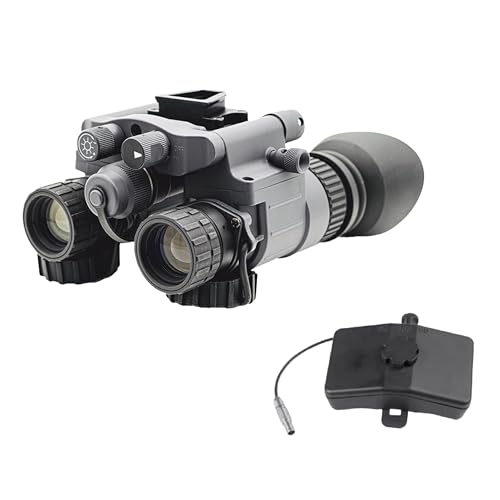
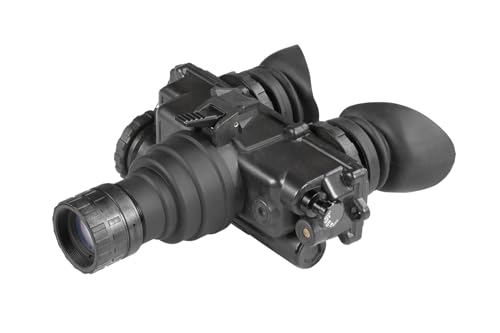
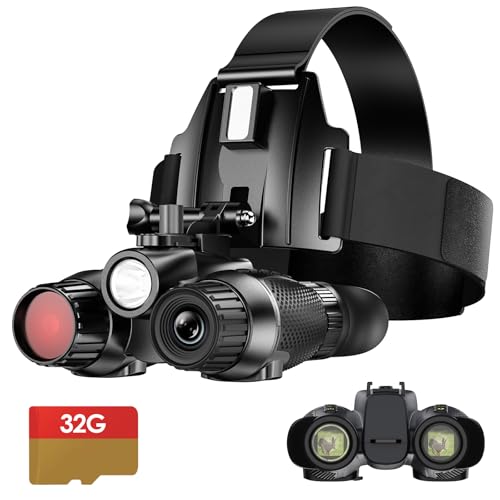
Operating in complete darkness presents unique challenges for spatial awareness, depth perception, and target identification. Selecting the right setup requires balancing image clarity, weight on a head harness, and battery life during extended observation sessions. Quality options like armasight night vision goggles utilize dedicated intensifier systems designed to amplify ambient light without requiring bulky external illumination. Whether you need a dual-tube binocular setup for active movement or a standalone monocular style unit, understanding tube generations and field of view helps narrow your options. Shooters familiar with our guide on how to choose a scope know that glass clarity and light transmission define optical performance, and nighttime systems follow similar optical principles.
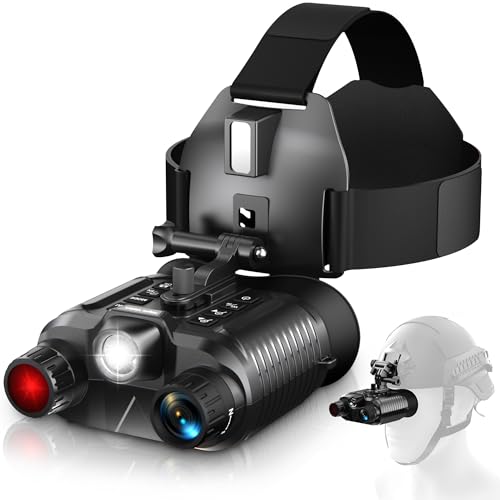
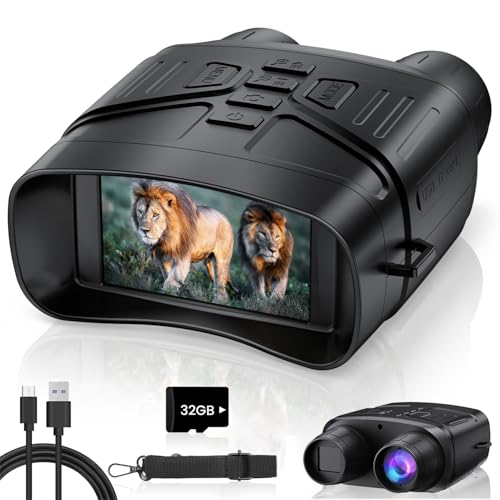
Commercial shoppers often face a wide price spread between premium Gen 3 analog devices and entry-level digital binoculars. Traditional analog image intensifier tubes convert faint photons into visible electrons for real-time viewing without display lag. On the other hand, digital night units capture images via electronic sensors, offering built-in recording and lower prices at the expense of native low-light sensitivity. Matching your optical requirements to your intended nighttime activities ensures you invest in gear that delivers dependable clarity under the stars.

Frequently Asked Questions
What is the main difference between Gen 2+ and Gen 3 night vision goggles?
Gen 3 systems use gallium arsenide photocathodes that deliver significantly higher light amplification and resolution than Gen 2+ units. Gen 2+ tubes use multi-alkali photocathodes with microchannel plates, offering solid clarity at a lower cost. If you navigate in pitch-black environments without supplemental infrared light, Gen 3 technology provides a cleaner image with less visual noise.
Can you run Armasight Night Vision Goggles with daytime optics or weapon sights?
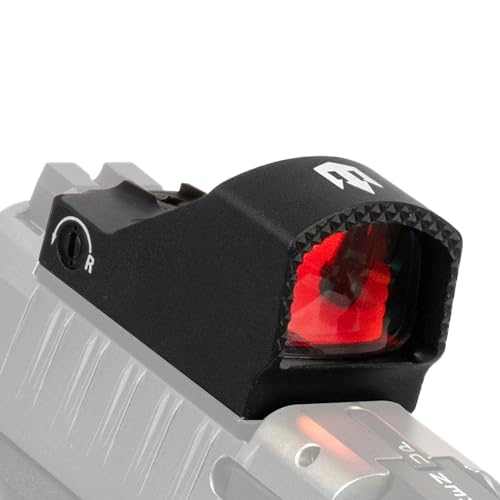
Head-mounted goggles operate independently from daytime rifle scopes, but they can work alongside passive night-vision-compatible red dot sights or active infrared aiming lasers. Pairing headgear with a dedicated aiming device prevents awkward cheek welds and optic collisions. If you also shoot during daylight hours, balancing your setup with proper mid range AR 15 rifle scopes or pistol sights keeps your gear versatile across all lighting conditions.
How do digital night vision goggles differ from analog image intensifier systems?
Digital units rely on digital image sensors and miniature internal displays, while analog goggles use vacuum tubes to multiply ambient photons instantly. Digital models often feature video recording, multiple color palettes, and digital zoom, but they usually require an infrared illuminator in extreme darkness. Analog tubes provide zero display latency and operate longer on standard batteries, making them preferable for dynamic tactical navigation.
What field of view should buyers expect from Armasight Night Vision Goggles in 2026?
Most standard night vision goggles feature a field of view between 40 and 51 degrees at 1x optical magnification. A wider field of view, such as 50 or 51 degrees, provides greater peripheral vision and improves situational awareness during ground movement. Narrower fields of view, like 10 degrees, typically appear on magnified digital binoculars designed for stationary observation rather than walking.
Do head-mounted night vision goggles require supplemental infrared lighting?
No, analog systems like Gen 2+ and Gen 3 can function solely on ambient starlight or moonlight. However, when entering enclosed structures or thick timber with zero ambient light, built-in or handheld 850nm infrared illuminators project invisible light to brighten the scene. Digital goggles almost always require an active infrared illuminator to produce an image in dark conditions.
How does manual focus affect viewing through night vision optics?
Manual objective lens focus allows users to adjust optical sharpness for specific distances, from close-up gear checks to distant horizon scanning. Fixed-focus lenses or set apertures prioritize middle distances, which can leave near objects slightly blurry. Turning the objective focus ring sharpens details across varied observation ranges.


Write Your Review
No reviews yet. Be the first to share your experience!