


Evaluating Tactical Holographic Weapon Sights
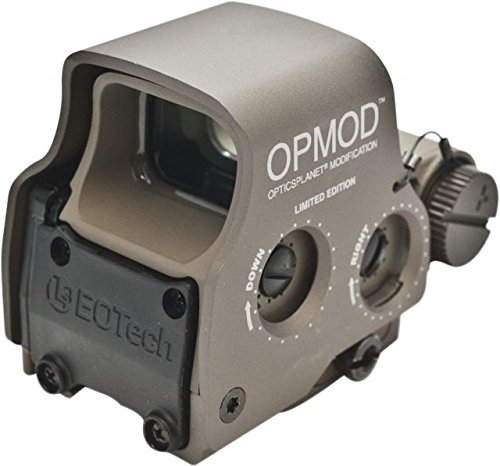
Shooting with both eyes open demands an optic that maintains an uncluttered field of view and crisp reticle illumination. Holographic technology projects a sharp reticle directly into the visual plane, so it doesn’t force your eye to center strictly behind a narrow tube. This open optical window makes eotech opmod sights an appealing option for carbine setups and defensive platforms. Specialized configurations often combine dedicated night vision brightness levels with quick-detach mounts to streamline rifle configurations. If you are comparing platforms, understanding how to choose a scope can help clarify whether a true holographic sight or a traditional magnified optic best matches your shooting distances.
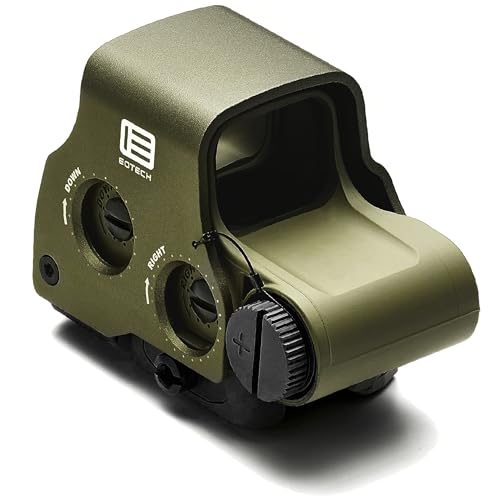
Mounting heights and magnifier pairings introduce important practical tradeoffs during setup. A combined system like a holographic sight paired with a 3x magnifier provides flexible engagement across close and mid-range targets, yet it adds weight and consumes precious rail space. Models in the EXPS3 and XPS2 series also feature subtle differences in battery orientation, control button placement, and night vision settings. Pairing an optic with the best mid range ar 15 rifle scopes often comes down to balancing rapid target transition against precision target identification at extended yardage. Checking mounting footprints ensures you won’t encounter rail alignment issues on your receiver before taking gear to the range.



Frequently Asked Questions
What distinguishes OPMOD models from standard holographic sights?
OPMOD optics represent OpticsPlanet Modification dealer-exclusive editions. These units frequently feature unique aesthetic colorways, such as tan or flat dark earth coatings, and bundled configurations that pair sights directly with magnifiers. Internally, the core holographic technology, reticle layout, and durability standards remain consistent with standard production units from the manufacturer.
Are all EXPS3 holographic weapon sights compatible with night vision?
Yes, all EXPS3 series models feature dedicated night vision compatibility. They include specific low-output brightness settings designed to prevent haloing when viewed through night vision goggles. In contrast, models in the XPS2 series lack dedicated night vision modes and only feature standard daylight brightness levels.
How does an attached magnifier affect the reticle on Eotech Opmod Sights in 2026?
A flip-to-side magnifier magnifies the target image downrange without increasing the perceived size of the center aiming dot. Because holographic reticles utilize laser projection, the center dot stays near one MOA under magnification rather than blooming. While shooters prioritizing extreme distance often turn to the best vortex long range rifle scopes, a magnifier on a holographic sight offers a balanced solution for rapid transitions between close and intermediate targets.
What is the difference between XPS2 and EXPS3 holographic sights?
The EXPS3 features a quick-detach lever mount, a raised base that provides lower-third co-witness with iron sights, side-mounted control buttons, and night vision settings. The XPS2 sits lower on the rail for absolute co-witness, uses rear-facing buttons, features a cross-bolt screw mount, and lacks night vision settings. Handgun shooters often look at options like the best laser sight for glock 23 for compact setups, but long guns easily accommodate the slightly taller footprint of the EXPS series.
What rail types support these holographic weapon sights?
These holographic sights mount directly onto standard 1-inch Weaver rails and MIL-STD-1913 Picatinny rails. The integrated mounting clamp or quick-detach lever locks securely into the cross-slots of the rail. Before installation, confirm that your firearm receiver has adequate rail length to seat the optic and any optional magnifier flush.


Write Your Review
No reviews yet. Be the first to share your experience!